
Cosmetic Gynaecology
Labiaplasty in Islamabad

Labiaplasty is a surgical procedure that reshapes or reduces selected labial tissue. It may involve the labia minora, labia majora, or both, depending on the patient’s anatomy and treatment goals.
Women may consider labiaplasty because of physical discomfort, irritation, concerns about asymmetry, changes following pregnancy or other personal concerns about the appearance of the vulva.
The appearance of the labia varies considerably between women, and differences in size, shape, color, symmetry, and tissue prominence can be completely normal.
This guide provides general information about labiaplasty in Islamabad, including candidacy, surgical techniques, potential benefits, risks, recovery, cost considerations, and choosing a qualified surgeon.
What Is Labiaplasty?
Labiaplasty is a surgical procedure used to reshape or reduce selected labial tissue.
The procedure may involve:
- Labia minora
- Labia majora
- Asymmetrical tissue
- Selected areas of excess or redundant tissue
The surgical approach depends on individual anatomy, the patient’s concerns, and the surgeon’s assessment.
Labiaplasty should not be presented as a procedure required to correct normal anatomical variation. ACOG notes that there is considerable variation in normal vulvar anatomy.
Why Do Women Consider Labiaplasty?
Women may seek consultation for different reasons, including:
- Friction or irritation caused by labial tissue
- Discomfort during certain physical activities
- Difficulty with particular clothing
- Concerns about asymmetry
- Changes in labial tissue following pregnancy or other life changes
- Personal concerns about external appearance
Some patients may have no physical symptoms and may be seeking surgery for cosmetic reasons.
A consultation should allow the patient to discuss her concerns and understand the normal range of anatomy before deciding whether surgery is appropriate.
Normal Labial Anatomy
There is no single “normal” appearance of the labia.
Labia can naturally vary in:
- Length
- Width
- Thickness
- Color
- Shape
- Symmetry
- Degree of protrusion
One side may also be different from the other.
These variations do not necessarily indicate a medical problem.
Patients considering labiaplasty should understand this natural variation and should receive realistic information before deciding to undergo elective surgery.
Who May Be Considered for Labiaplasty?
Suitability is determined through individual consultation and assessment.
A patient may be considered when she:
- Is an adult
- Is voluntarily requesting the procedure
- Has realistic expectations
- Understands the potential benefits and limitations
- Is medically suitable for elective surgery
- Is able to follow postoperative instructions
Patients with active infections, untreated medical conditions, significant healing problems, or other factors that increase surgical risk may require further assessment or treatment before elective surgery.
If a patient reports genital pain, sexual dysfunction, recurrent irritation, or another symptom, the underlying cause should be evaluated rather than assuming that labiaplasty is the appropriate treatment.
Types of Labiaplasty
Several surgical approaches may be used.
1. Trim Technique
The surgeon removes selected tissue along the edge of the labia and reshapes the remaining tissue.
The amount of tissue removed should be carefully planned according to individual anatomy.
2. Wedge Technique
A wedge-shaped section of tissue may be removed while retaining part of the natural labial edge.
The technique may be appropriate for selected patients depending on anatomy and surgical goals.
3. Other Individualized Techniques
The surgeon may use other modifications or techniques depending on the patient’s anatomy and the area being treated.
There is no single technique that is appropriate for every patient.
The surgeon should explain the proposed technique, its potential advantages and limitations, and possible complications before surgery.
Labiaplasty Procedure
1. Consultation
The consultation may include:
- Medical history
- Previous surgeries
- Current medications
- Allergies
- Relevant gynecological history
- Physical examination
- Discussion of concerns and expectations
- Review of surgical options
- Discussion of risks and recovery
Patients should have an opportunity to ask questions before deciding whether to proceed.
2. Anesthesia
The type of anesthesia depends on the procedure, patient factors, facility, and surgical plan.
Local anesthesia, with or without sedation, or another appropriate anesthetic approach may be considered.
3. Surgical Reshaping
The surgeon removes or reshapes the selected tissue according to the agreed surgical plan.
Careful tissue handling is important because the vulvar region contains sensitive structures.
4. Closure
Appropriate sutures are used to close the surgical area.
Absorbable sutures may be used, depending on the surgical technique.
5. Postoperative Care
Patients receive individualized instructions regarding:
- Wound care
- Hygiene
- Medication
- Physical activity
- Clothing
- Sexual activity
- Follow-up appointments
- Warning signs requiring medical attention
Is Labiaplasty Safe?
Labiaplasty is surgery and is not risk-free.
Possible complications include:
- Pain
- Swelling
- Bruising
- Bleeding
- Infection
- Delayed wound healing
- Scarring
- Asymmetry
- Changes in sensation
- Pain during sexual activity
- Unsatisfactory cosmetic outcome
- Need for revision surgery
ACOG specifically recommends counseling patients about potential complications of female genital cosmetic surgery, including pain, infection, bleeding, scarring, altered sensation, dyspareunia and possible reoperation.
A qualified surgeon and appropriate surgical facilities are important, but they cannot eliminate all surgical risks.
Recovery After Labiaplasty
Recovery varies according to the surgical technique, amount of tissue treated, individual healing, and whether other procedures are performed at the same time.
First Few Days
Patients may experience:
- Swelling
- Bruising
- Tenderness
- Discomfort
Rest and follow the surgeon’s postoperative instructions.
First Week
Light daily activities may be resumed progressively when appropriate.
Patients should avoid activities that create friction or pressure on the surgical area.
Following Weeks
Swelling and tenderness generally decrease gradually.
Strenuous exercise and other activities should be resumed according to the surgeon’s instructions.
Sexual Activity
Patients should wait until the surgical area has adequately healed and the treating surgeon has advised that sexual activity can be resumed.
A fixed recovery period should not be promised because healing varies between individuals.
Does Labiaplasty Affect Sensation?
Changes in sensation are possible after surgery.
Some patients may experience temporary changes during healing, while others may experience persistent changes.
Possible sensory outcomes include:
- No significant change
- Temporary increased sensitivity
- Temporary decreased sensitivity
- Altered sensation
- Persistent sensitivity changes
The statement that labiaplasty “preserves nerve supply” or “maintains sexual function” should not be presented as a guarantee.
The surgeon should explain the potential sensory risks during informed consent.
Labiaplasty and Sexual Function
Labiaplasty should not be marketed as a guaranteed method of improving sexual satisfaction or sexual performance.
Sexual difficulties can have many causes, including:
- Pain
- Hormonal changes
- Medical conditions
- Medications
- Pelvic-floor problems
- Psychological factors
- Relationship factors
Patients experiencing sexual dysfunction should receive an appropriate assessment rather than assuming that labiaplasty will resolve the problem.
Potential Benefits of Labiaplasty
Potential benefits may include:
- Reduction or reshaping of selected labial tissue
- Reduction of friction in appropriately selected patients
- Improved comfort in some physical activities
- Correction of selected asymmetry
- Improved satisfaction with external appearance
The degree of benefit varies between patients.
No specific cosmetic, functional, or sexual outcome can be guaranteed.
Labiaplasty and Hygiene
Some women report concerns about hygiene or irritation associated with labial anatomy.
However, normal labial variation does not inherently mean that a woman has poor hygiene or requires surgery.
Labiaplasty should not be marketed as an infection-prevention or hygiene procedure.
If a patient has recurrent irritation, discharge, infections, itching, or pain, an appropriate medical assessment should be performed to identify the underlying cause.
Emotional and Psychological Considerations
Deciding to undergo elective genital surgery is personal.
A responsible consultation should explore:
- The patient’s reasons for seeking surgery
- Understanding of normal anatomy
- Expectations
- Desired outcomes
- Concerns about appearance or function
- Any external pressure affecting the decision
Patients experiencing significant distress about their appearance may benefit from appropriate psychological assessment before elective surgery.
ACOG recommends attention to psychological factors when evaluating patients requesting elective female genital cosmetic surgery.
Labiaplasty and Other Procedures
Labiaplasty addresses selected labial tissue and is different from other cosmetic gynecology procedures.
For example:
- Clitoral hood reduction involves selected tissue around the clitoris.
- Monsplasty reshapes the mons pubis.
- Vaginoplasty involves surgical modification or reconstruction of vaginal tissues.
- Hymenoplasty involves reconstruction or repair of hymenal tissue.
More than one procedure may sometimes be performed during the same surgical session.
However, combining procedures can increase surgical complexity, recovery requirements, risks, and cost. The appropriateness of combined procedures should be assessed individually.
Non-Surgical Alternatives
Non-surgical treatments may be discussed when the patient’s concern is related to symptoms rather than excess labial tissue.
Depending on the underlying issue, alternatives may include:
- Treatment of skin irritation
- Treatment of infection where present
- Management of hormonal or menopausal symptoms
- Pelvic-floor assessment
- Appropriate medical treatment for pain or other symptoms
- Observation when anatomy is normal and symptoms are absent
Laser or radiofrequency treatments should not be presented as replacements for surgical removal of excess labial tissue.
The appropriate option depends on the patient’s specific concern and medical assessment.
Cost of Labiaplasty in Islamabad
The cost varies according to:
- Surgical technique
- Amount and complexity of tissue reshaping
- Anesthesia
- Surgeon and facility
- Operating-room or facility charges
- Preoperative assessment
- Follow-up care
- Whether another procedure is performed at the same time
Patients should confirm the current price and exactly what is included before booking.
A final quotation should be provided after appropriate assessment.
Risks and Complications
Potential complications include:
- Infection
- Bleeding
- Swelling
- Bruising
- Delayed healing
- Scarring
- Asymmetry
- Changes in sensation
- Pain during sexual activity
- Unsatisfactory cosmetic outcome
- Need for revision surgery
Patients should receive individualized counseling about risks before consenting to surgery.
How to Choose a Labiaplasty Surgeon in Islamabad
Patients should consider:
- Appropriate specialist qualification
- Current professional registration
- Experience with labiaplasty
- Understanding of vulvar anatomy
- Appropriate surgical facilities
- Infection-control standards
- Clear communication
- Informed-consent process
- Transparent pricing
- Appropriate postoperative follow-up
Professional qualifications and registration should be independently verified rather than relying only on advertising descriptions.
Frequently Asked Questions
Is labiaplasty painful?
Anesthesia is used during the procedure. Pain, tenderness, swelling, and discomfort can occur during recovery and may be managed according to the surgeon’s postoperative instructions.
How long does labiaplasty take?
The duration varies according to the surgical technique and whether other procedures are performed at the same time. The surgeon can provide an estimated duration after assessment.
Are stitches removed?
Absorbable sutures may be used depending on the surgical technique. The surgeon will explain the type of sutures used and whether any follow-up removal is required.
When can I return to work?
Return to work depends on the type of work, surgical technique, and individual recovery. Patients with sedentary work may return sooner than those with physically demanding jobs.
The surgeon should provide individualized advice.
Will scars be visible?
Scarring varies between patients. Surgical incisions can leave scars, and their final appearance depends on incision placement, individual healing, skin characteristics, and postoperative care.
No surgeon can guarantee that scars will be invisible.
Will labiaplasty affect sensation?
Changes in sensation are possible. Some patients experience temporary changes during healing, while others may experience longer-lasting changes.
A surgeon should discuss these risks before surgery.
Does labiaplasty improve sexual satisfaction?
A particular improvement in sexual satisfaction cannot be guaranteed. Labiaplasty should not be marketed as a guaranteed sexual-enhancement procedure.
Are labiaplasty results permanent?
Surgically removed tissue does not simply grow back, but the appearance of the vulva can change over time because of aging, pregnancy, weight changes, hormonal changes, and individual healing.
A permanent cosmetic appearance cannot be guaranteed.
Can labiaplasty be combined with another procedure?
It may sometimes be combined with another procedure, but the decision should be based on individual medical assessment because combined procedures can increase complexity, risks, recovery requirements, and cost.
Book a Labiaplasty Consultation in Islamabad
Women considering labiaplasty can arrange a confidential consultation to discuss their anatomy, concerns, expectations, available options, potential benefits, risks, recovery, and cost.
Cosmetic Gynecology Clinic Islamabad
Location: Sector I-8 Markaz, Islamabad
Phone: +92 333 7277272
Cosmetic Gynecology Clinic Rawalpindi
Location: Bahria Town, Rawalpindi
Phone: +92 300 7706050
Email: info@cosmeticgynecologyclinic.com
Surgeon Profile
Dr. Nadia Tariq – Plastic Surgeon
Academic Qualifications
- FCPS (Plastic Surgery) – College of Physicians & Surgeons Pakistan (CPSP)
- MBBS – University of Health Sciences (UHS), Lahore
Professional Registration
- Pakistan Medical & Dental Council (PMDC)
- Irish Medical Council (IMC)
The clinic should ensure that the surgeon’s name, qualifications, specialty, professional titles, and registrations exactly match official records.
Medical Disclaimer
The information on this page is provided for general educational purposes and does not replace an individual medical consultation.
Labiaplasty is an elective surgical procedure and may not be appropriate for every patient. Potential benefits, limitations, risks, recovery, and outcomes vary between individuals.
Patients should receive an appropriate medical assessment and informed discussion of potential benefits, risks, alternatives, and expected outcomes before deciding to proceed.
Confidentiality
Patient privacy and confidentiality should be respected during consultation, treatment, and follow-up in accordance with applicable professional and legal requirements.

Hymenoplasty, also known as hymen repair or hymen reconstruction surgery, is a surgical procedure that reconstructs or repairs hymenal tissue. Women may consider this procedure for a range of personal, emotional, restorative, or individual reasons.
The hymen is a thin tissue structure that partially surrounds the vaginal opening. Its shape, thickness, elasticity, and appearance vary naturally between individuals. Hymenal tissue can stretch or change for different reasons, including physical activity, sports, tampon use, medical procedures, or sexual activity.
Importantly, the appearance or presence of the hymen cannot reliably determine whether a woman has previously had sexual intercourse. There is no medical examination that can prove a person’s history of sexual intercourse based on the hymen.
This guide provides general information about hymenoplasty in Rawalpindi, including the consultation process, procedure, recovery, potential risks, and factors that may affect cost.
Understanding the Hymen
The hymen is a thin, flexible tissue structure located around the vaginal opening. It does not completely cover the vaginal opening in most individuals, and its anatomy varies considerably.
Hymenal tissue may naturally change or stretch over time. Changes can occur through different circumstances, including sports activities, tampon use, medical procedures, sexual activity, and other forms of physical activity.
The presence, absence, or appearance of hymenal tissue should not be considered a medical test of sexual history. The World Health Organization states that hymenal examination cannot establish whether a woman has had vaginal intercourse.
Why Do Women Consider Hymenoplasty?
Women may seek hymenoplasty for different personal reasons, including:
- Personal preference regarding hymenal reconstruction
- Emotional reasons following previous experiences
- Concerns about changes to hymenal tissue
- A desire to reconstruct hymenal tissue for personal reasons
- Individual circumstances discussed confidentially with a qualified surgeon
The decision to undergo hymenoplasty should be voluntary and based on an informed discussion with a qualified medical professional.
A consultation allows the surgeon to assess the patient’s individual anatomy, discuss whether the procedure is appropriate, explain available techniques, and review potential benefits, limitations, risks, recovery requirements, and alternatives.
Who May Be Considered for Hymenoplasty?
Suitability for hymenoplasty is determined individually following a medical consultation.
A patient may be considered for the procedure when she:
- Is seeking the procedure voluntarily
- Understands what the procedure can and cannot achieve
- Has realistic expectations
- Is medically suitable for surgery
- Does not have an untreated active infection or other condition requiring treatment first
- Understands the potential risks and recovery requirements
- Provides informed consent
A medical consultation is important because the appropriate surgical approach depends on the patient’s anatomy, available tissue, medical history, and individual circumstances.
Hymenoplasty Procedure
Hymenoplasty is generally performed as a minor surgical procedure, but the exact technique and duration vary according to the patient’s anatomy and the surgeon’s assessment.
Depending on the circumstances, the procedure may involve:
1. Consultation and Preparation
The surgeon reviews the patient’s medical history, discusses expectations, assesses the relevant anatomy, and explains the planned procedure.
2. Anesthesia
The procedure may be performed using an appropriate form of local or general anesthesia, depending on the surgical plan, patient factors, and clinical setting.
3. Tissue Reconstruction
Where suitable tissue is available, the surgeon may carefully approximate or reconstruct the remaining hymenal tissue using an appropriate surgical technique.
4. Suturing
Medical sutures may be used to secure the reconstructed tissue. The specific technique depends on the individual case.
5. Postoperative Instructions
The patient receives instructions regarding wound care, hygiene, physical activity, medication, follow-up, and the appropriate period before resuming activities that could affect healing.
The exact technique cannot be guaranteed in advance and should be determined after individual assessment.
What Results Can Be Expected?
The objective of hymenoplasty is to reconstruct hymenal tissue. The appearance and outcome can vary between patients depending on their anatomy, the amount of available tissue, surgical technique, healing, and other individual factors.
No surgical procedure can guarantee a particular appearance or outcome.
Patients should discuss realistic expectations with the surgeon before deciding to proceed.
It is also important to understand that hymenoplasty cannot establish or medically prove whether a woman has previously had sexual intercourse. Hymenal appearance is not a reliable indicator of sexual history.
Benefits of Hymenoplasty
Potential benefits may include:
- Reconstruction of hymenal tissue
- A procedure tailored to the patient’s individual anatomy
- Confidential medical consultation
- An opportunity to discuss personal concerns with a qualified surgeon
- Individualized postoperative care and follow-up
The potential benefits and limitations should be discussed during consultation.
Risks and Safety Considerations
As with any surgical procedure, hymenoplasty can involve risks and complications.
Potential risks may include:
- Temporary pain or discomfort
- Swelling
- Bruising
- Bleeding
- Infection
- Delayed healing
- Scar formation
- Changes in sensation
- Wound separation
- Need for additional treatment or revision
The likelihood of complications varies according to the individual patient, surgical technique, medical history, and postoperative care.
No responsible medical provider should describe surgery as completely risk-free or guarantee a particular result.
Patients should receive appropriate preoperative assessment and informed consent before undergoing the procedure.
Recovery After Hymenoplasty
Recovery varies between patients and depends on the surgical technique and individual healing.
A general recovery pattern may include:
First few days:
Rest and follow the surgeon’s wound-care and medication instructions.
First week:
Avoid strenuous physical activity and follow the postoperative hygiene instructions provided by the surgical team.
Following weeks:
Gradually return to normal activities according to the surgeon’s advice.
Sexual activity and other activities affecting the surgical area:
The timing should be determined by the treating surgeon based on healing and the procedure performed.
There is no single recovery timeline that applies to every patient. Patients should follow their surgeon’s individualized postoperative instructions rather than relying on a fixed number of days.
Hymenoplasty Cost in Rawalpindi
The cost of hymenoplasty can vary depending on several factors, including:
- Surgical technique
- Surgeon consultation and assessment
- Anesthesia
- Facility or operating-room charges
- Preoperative investigations, when required
- Medications
- Follow-up appointments
- Postoperative care
An indicative price range may be provided by the clinic, but the final cost should be confirmed after consultation and assessment.
Indicative cost: PKR 80,000–180,000
Prices may change and should be confirmed directly with the clinic before booking.
Frequently Asked Questions
How long does hymenoplasty take?
The duration varies depending on the surgical technique and individual circumstances. The surgeon can provide an estimated procedure time after assessment.
Is hymenoplasty painful?
Some discomfort, swelling, or tenderness can occur after surgery. Appropriate anesthesia is used during the procedure, and postoperative pain management may be provided according to the patient’s needs.
Will the result look natural?
The surgeon aims to reconstruct the tissue appropriately for the patient’s anatomy. However, individual healing and surgical results vary, so a particular appearance cannot be guaranteed.
Can hymenoplasty prove that someone was a virgin?
No. Hymenal appearance cannot reliably establish whether a woman has previously had sexual intercourse. There is no scientifically valid examination that can prove sexual history from the hymen.
How long is the recovery?
Recovery varies according to the technique used and individual healing. The surgeon will provide specific instructions about activity restrictions, hygiene, follow-up, and when normal activities can be resumed.
Is the consultation confidential?
Patient confidentiality is an important part of professional medical care. The clinic should handle personal and medical information in accordance with applicable professional and legal requirements.
Can every woman undergo hymenoplasty?
No. Suitability depends on individual anatomy, medical history, health status, expectations, and clinical assessment.
Choosing a Qualified Surgeon
Hymenoplasty is an intimate surgical procedure and should be performed only after appropriate medical assessment and informed consent.
Dr. Nadiya Tariq – Plastic Surgeon
Academic Qualifications
- FCPS (Plastic Surgery) – College of Physicians & Surgeons Pakistan (CPSP)
- MBBS – University of Health Sciences (UHS), Lahore
Professional Registration
- Pakistan Medical & Dental Council (PMDC) – registration status should be verified before publication
- Irish Medical Council (IMC) – registration status should be verified before publication
The clinic should publish professional qualifications and registration information accurately and consistently with the relevant regulatory records.
Confidential Consultation in Rawalpindi
Women considering hymenoplasty can arrange a private consultation to discuss their medical history, individual concerns, suitability for the procedure, expected outcomes, potential risks, recovery, and available options.
For consultation and appointments:
Phone: +92 300 7706050
Email: info@aesthedoc.com
Medical Disclaimer
The information on this page is provided for general educational purposes and does not replace an individual medical consultation. Hymenoplasty is a surgical procedure and may not be appropriate for every patient. Suitability, surgical technique, potential benefits, risks, recovery, and expected outcomes vary between individuals. A qualified medical professional should assess each patient before treatment and provide personalized medical advice.
Important: Hymenoplasty cannot establish or medically verify a person’s sexual history. The appearance of the hymen is not a scientifically valid indicator of whether sexual intercourse has occurred.
Monsplasty, also known as pubic mound reduction, is a surgical procedure used to reduce or reshape excess fatty tissue and, where appropriate, loose skin in the mons pubis area above the pubic bone.
Women may consider monsplasty because of excess tissue, changes following weight fluctuations or pregnancy, loose skin, friction, clothing-related concerns, or dissatisfaction with the appearance of the pubic area.
The procedure is individualized according to the patient’s anatomy, medical history, skin elasticity, amount of fatty tissue, and treatment goals.
This guide explains monsplasty in Islamabad, including candidacy, surgical approaches, potential benefits, risks, recovery, cost considerations, and the importance of consultation with a qualified surgeon.
What Is Monsplasty?
Monsplasty is a surgical procedure designed to reshape or reduce the mons pubis. Depending on the patient’s anatomy, treatment may involve removal of excess fatty tissue, excision of excess skin, lifting of the tissue, or a combination of techniques.
Monsplasty may be considered when excess tissue or loose skin contributes to:
- A prominent or bulging appearance
- Skin folds or friction
- Difficulty with certain clothing
- Discomfort during some physical activities
- Changes in body contour following significant weight loss or pregnancy
- Personal concerns about the appearance of the pubic area
The appropriate technique depends on the individual patient. Not every patient requires both liposuction and surgical excision.
Why Do Women Consider Monsplasty in Islamabad?
Women may seek mons pubis reduction for different personal or physical reasons.
Common considerations include:
- Reshaping a prominent mons pubis
- Reducing excess fatty tissue
- Addressing loose or excess skin
- Improving clothing fit
- Reducing friction or irritation caused by excess tissue
- Addressing changes in the pubic area following weight changes or pregnancy
- Improving confidence regarding body appearance
The purpose and expected outcome should be discussed individually during consultation. Monsplasty is not a substitute for weight management and does not prevent future changes caused by significant weight gain or loss.
Who May Be Suitable for Monsplasty?
Suitability is determined following a medical consultation and physical assessment.
A patient may be considered for monsplasty when she:
- Is in generally suitable health for elective surgery
- Has excess fatty tissue, loose skin, or tissue prominence in the mons pubis
- Has realistic expectations about the procedure
- Understands potential benefits and limitations
- Is willing to follow postoperative instructions
- Is not currently pregnant
- Has any relevant medical conditions appropriately assessed and managed before surgery
Patients with active infections, uncontrolled medical conditions, significant healing problems, or other factors that increase surgical risk may require treatment or further assessment before elective surgery.
Types of Monsplasty
The surgical approach varies according to the patient’s anatomy and goals.
1. Liposuction-Based Mons Pubis Reduction
Liposuction may be considered when excess fatty tissue is the primary concern and the skin has sufficient elasticity.
Small incisions are used to introduce the liposuction cannula and remove an appropriate amount of fat.
The amount of fat removed must be determined carefully to avoid contour irregularities or an unnatural appearance.
2. Excisional Monsplasty
When loose or excess skin is a significant concern, surgical excision may be used to remove excess tissue and reshape the mons pubis.
The incision pattern and amount of tissue removed depend on individual anatomy and the planned procedure.
3. Combined Approach
Some patients may benefit from a combination of liposuction and skin excision.
The surgeon determines whether a combined approach is appropriate after examination.
Monsplasty may sometimes be performed alongside another procedure, but combining procedures can affect anesthesia, recovery time, surgical risk, and overall cost. Each additional procedure should be medically appropriate and discussed during informed consent.
Monsplasty Procedure: What to Expect
1. Consultation and Assessment
Before surgery, the surgeon should review:
- Medical history
- Previous surgeries
- Current medications
- Allergies
- Relevant medical conditions
- Weight history
- Skin quality and elasticity
- Amount and distribution of fatty tissue
- Patient expectations
The surgeon should also explain the proposed technique, expected results, possible alternatives, risks, recovery and postoperative care.
2. Anesthesia
The type of anesthesia depends on the surgical technique, extent of treatment, patient factors, and clinical setting.
Local anesthesia, local anesthesia with sedation, or general anesthesia may be considered where clinically appropriate.
The anesthesia plan should be discussed with the treating surgical and anesthesia team.
3. Surgical Treatment
Depending on the treatment plan, the surgeon may:
- Remove an appropriate amount of excess fat
- Excise excess skin
- Reshape the mons pubis
- Close surgical incisions with appropriate sutures
- Apply dressings or other postoperative support where required
The objective is appropriate contouring while avoiding excessive tissue removal.
4. After Surgery
Patients receive postoperative instructions regarding:
- Wound care
- Medication
- Hygiene
- Physical activity
- Clothing
- Follow-up appointments
- Warning signs that require medical attention
The exact postoperative plan varies from patient to patient.
Potential Benefits of Monsplasty
Potential benefits may include:
- Reduction of excess fatty tissue
- Removal of selected excess skin
- Improved contour of the mons pubis
- Reduced friction in patients where excess tissue contributes to irritation
- Improved fit of some clothing
- Improved satisfaction with body appearance
Results vary between individuals, and no particular cosmetic outcome can be guaranteed.
Safety and Possible Risks
Monsplasty is a surgical procedure and carries potential risks.
Possible complications include:
- Pain or discomfort
- Swelling
- Bruising
- Bleeding
- Infection
- Delayed wound healing
- Scarring
- Asymmetry
- Contour irregularities
- Temporary or persistent changes in sensation
- Seroma or fluid collection
- Skin or tissue healing problems
- Need for additional treatment or revision surgery
The individual risk depends on the patient’s health, surgical technique, anesthesia, extent of treatment, and postoperative care.
A qualified surgeon should discuss the relevant risks and benefits before treatment, and patients should have an opportunity to ask questions before providing informed consent.
Recovery After Monsplasty
Recovery varies according to the surgical technique and individual healing.
First Few Days
Patients may experience swelling, bruising, tenderness, or discomfort.
Rest and follow the surgeon’s postoperative instructions.
First Week
Strenuous activity should generally be avoided according to the surgeon’s instructions.
Patients should keep the surgical area clean and follow the wound-care recommendations provided by the medical team.
Following Weeks
Light activities may be resumed progressively when the surgeon considers it appropriate.
Swelling can continue to decrease over the following weeks.
Return to Exercise and Other Activities
The timing for returning to exercise, sexual activity, heavy lifting, and other activities should be determined by the treating surgeon.
There is no single recovery schedule that applies to every patient.
Final Cosmetic Result
The appearance of the treated area can continue to change as swelling decreases and tissues heal. The final result may take time to become apparent.
Significant future weight changes can also affect the appearance of the treated area.
Monsplasty and Other Procedures
Monsplasty specifically addresses the mons pubis.
It is different from procedures that address other areas of the vulva or vagina.
For example:
- Labiaplasty reshapes or reduces selected labial tissue.
- Vaginoplasty involves surgical reconstruction or modification of vaginal tissues and may have different medical indications.
- Clitoral hood procedures involve tissue around the clitoris and require particularly careful anatomical and functional assessment.
- Laser- or energy-based vaginal treatments are different from surgical mons pubis reduction and should not be presented as interchangeable procedures.
If more than one procedure is being considered, the surgeon should explain the potential benefits, additional risks, recovery requirements, and alternatives for each procedure.
Monsplasty After Pregnancy or Weight Changes
Pregnancy and substantial weight changes can alter the distribution of fat and the elasticity of skin around the abdomen and pubic region.
Some women may consider monsplasty after pregnancy or significant weight loss when excess tissue remains.
The timing of elective surgery should be discussed with a qualified surgeon. Patients who are planning another pregnancy or significant weight change may be advised to consider how those changes could affect the eventual cosmetic result.
Monsplasty Cost in Islamabad
The cost of monsplasty varies depending on:
- Surgical technique
- Whether liposuction, skin excision, or both are required
- Surgeon and clinical facility
- Type of anesthesia
- Operating-room or facility charges
- Preoperative investigations, where required
- Medications and postoperative care
- Whether another procedure is performed at the same time
A consultation is necessary to determine the appropriate surgical plan and provide an accurate quotation.
Patients should confirm the current procedure cost, inclusions, anesthesia charges, facility charges, and follow-up arrangements directly with the clinic before booking.
How to Choose a Monsplasty Surgeon in Islamabad
Patients considering monsplasty should evaluate the surgeon and facility carefully.
Important considerations include:
- Relevant specialist qualification
- Current registration with the appropriate medical regulatory authority
- Experience with the specific procedure
- Appropriate surgical facilities
- Appropriate anesthesia and emergency arrangements
- Clear explanation of risks and alternatives
- Informed-consent process
- Transparent pricing
- Appropriate postoperative follow-up
Patients should verify professional qualifications and registration rather than relying solely on marketing descriptions such as “best,” “top,” or “leading.”
Frequently Asked Questions
Is monsplasty painful?
Anesthesia is used during the procedure. Some pain, tenderness, swelling, or discomfort can occur during recovery and may be managed according to the surgeon’s postoperative instructions.
How long does monsplasty take?
The duration depends on the surgical technique, amount of tissue being treated, anesthesia, and whether other procedures are performed at the same time. The surgeon can provide an estimated duration after assessment.
Will I have a scar?
Surgical excision involves an incision and therefore results in a scar. Scar appearance varies according to incision placement, individual healing, skin characteristics, and postoperative care.
Liposuction generally involves smaller access incisions, but individual scarring can still vary.
Are the stitches removed?
The type of suture depends on the surgical technique. Absorbable sutures may be used in some cases, while other sutures may require removal. The surgeon will explain which type is used.
When can I return to normal activities?
Recovery differs between patients. Light activities may be resumed progressively when appropriate, while strenuous exercise and other activities may require a longer restriction period. Follow the specific instructions provided by your surgeon.
Are the results permanent?
The reduction of removed fat or skin is intended to be long-lasting, but the appearance of the mons pubis can change with significant weight gain, weight loss, pregnancy, aging, and other individual factors.
Therefore, a permanent cosmetic result cannot be guaranteed.
Can monsplasty help with discomfort?
Some patients with excess tissue may experience friction or discomfort. If these symptoms are related to the mons pubis, reducing excess tissue may help, but improvement cannot be guaranteed and other causes of discomfort should be evaluated.
Is monsplasty suitable for everyone?
No. Suitability depends on individual anatomy, health, medical history, expectations, and the surgeon’s clinical assessment.
Book a Monsplasty Consultation in Islamabad
Women considering mons pubis reduction can arrange a consultation to discuss their concerns, medical history, available surgical options, expected outcomes, potential risks, recovery, and cost.
Cosmetic Gynecology Clinic Islamabad
Location: Sector I-8 Markaz, Islamabad
Phone: +92 333 7277272
Cosmetic Gynecology Clinic Rawalpindi
Location: Bahria Town, Rawalpindi
Phone: +92 300 7706050
Email: info@cosmeticgynecologyclinic.com
Surgeon Profile
Dr. Nadia Tariq – Plastic Surgeon
Academic Qualifications
- FCPS (Plastic Surgery) – College of Physicians & Surgeons Pakistan (CPSP)
- MBBS – University of Health Sciences (UHS), Lahore
Professional Registration
- Pakistan Medical & Dental Council (PMDC) – verify and publish the current registration status
- Irish Medical Council (IMC) – publish only if the current registration and relevance to the practice have been independently verified
The clinic should publish the surgeon’s qualifications, specialty, registration information, and professional titles accurately and consistently with official records.
Medical Disclaimer
The information on this page is provided for general educational purposes and does not replace an individual medical consultation.
Monsplasty is a surgical procedure and may not be appropriate for every patient. Potential benefits, risks, surgical technique, recovery period, and expected outcomes vary between individuals.
A qualified surgeon should assess each patient before treatment and provide individualized medical advice and informed consent.
Confidentiality
Patient privacy and confidentiality should be respected throughout consultation, treatment, and follow-up in accordance with applicable professional and legal requirements.
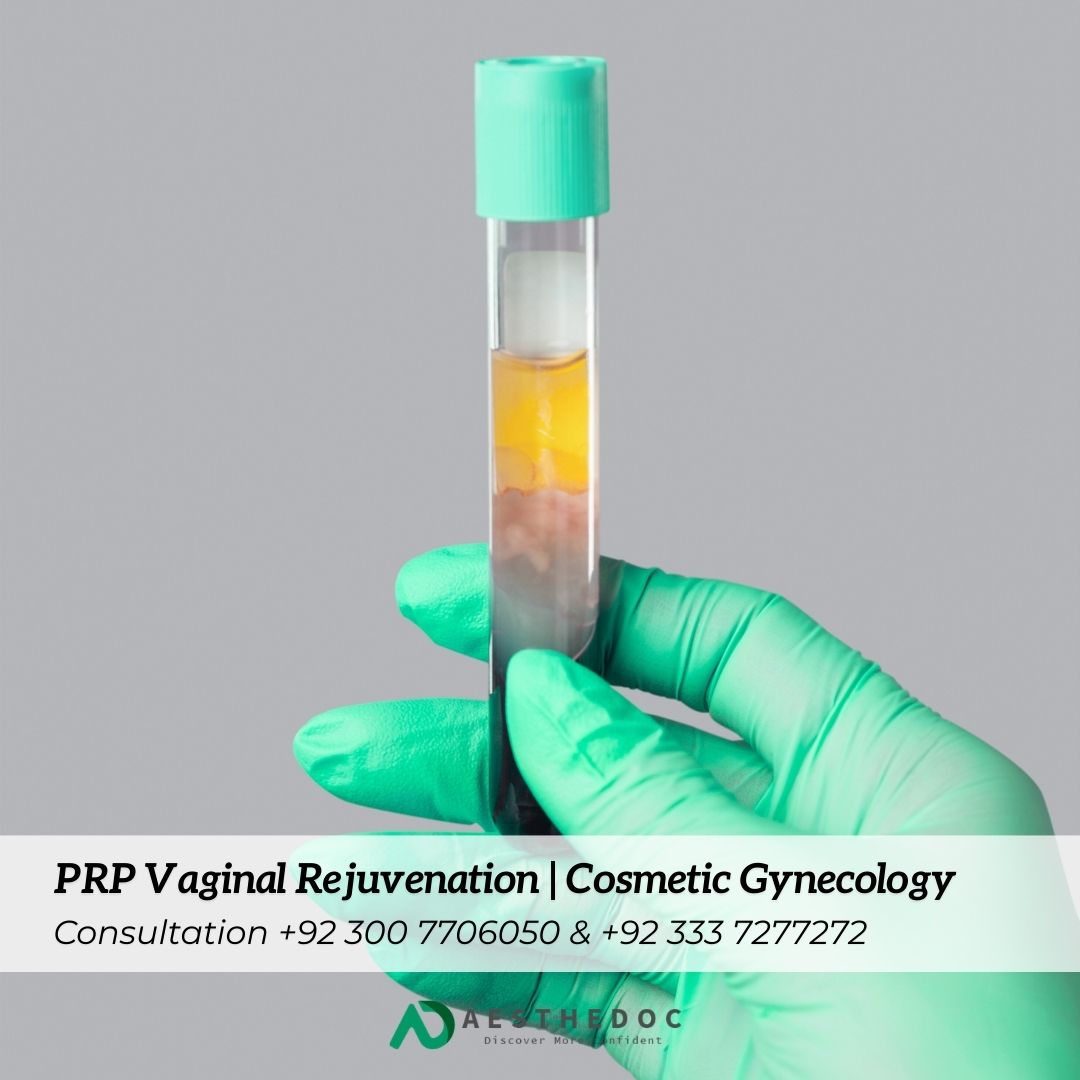
PRP vaginal treatment uses platelet-rich plasma prepared from a patient’s own blood. The technique involves collecting a small blood sample, processing it to concentrate platelets, and using the resulting preparation in a targeted treatment.
PRP contains platelets and signaling proteins involved in tissue repair and healing. Research is ongoing into potential gynecological applications of PRP, including certain vaginal and vulvovaginal symptoms.
However, evidence for PRP in vaginal rejuvenation remains limited and continues to develop. It should not be presented as a guaranteed treatment for vaginal laxity, sexual dysfunction, urinary incontinence, vaginal dryness, or other conditions.
This guide explains PRP vaginal treatment in Islamabad, including how the procedure is performed, who may be considered, potential benefits, limitations, risks, recovery, and cost considerations.
What Is PRP Vaginal Treatment?
PRP stands for platelet-rich plasma.
During PRP treatment, a small amount of the patient’s blood is collected and processed to concentrate platelets. The resulting PRP preparation may then be administered to selected tissues according to the treatment plan.
Platelets contain various growth factors and signaling proteins involved in the body’s normal tissue-repair processes. Researchers are studying whether these properties may have therapeutic applications in gynecology.
Current evidence does not establish PRP as a universally effective treatment for vaginal tightening, sexual enhancement, urinary incontinence, or all forms of vaginal dryness.
The appropriate use of PRP depends on the patient’s symptoms, medical history, examination, treatment goals, and the clinician’s assessment.
Why Do Women Consider PRP Vaginal Treatment?
Women may ask about PRP for different reasons, including:
- Concerns about vaginal or vulvovaginal tissue changes
- Vaginal dryness or discomfort
- Changes associated with aging or hormonal changes
- Concerns following childbirth
- Interest in non-surgical treatment options
- Personal concerns about intimate health
These symptoms can have many different causes. A proper gynecological assessment is important before treatment because PRP may not be appropriate for every patient.
For example, vaginal dryness may be associated with hormonal changes, medications, infections, dermatological conditions, or other medical causes that require appropriate diagnosis and treatment.
Is PRP Vaginal Treatment Suitable for Everyone?
No.
Suitability should be determined after an individual medical assessment.
A clinician may consider factors including:
- The patient’s symptoms and treatment goals
- Medical and gynecological history
- Current medications
- Allergies
- Active infections
- Pregnancy status
- Bleeding disorders
- Other relevant medical conditions
- Previous gynecological procedures
- Expectations regarding treatment
Patients should be informed about alternative treatments where appropriate and should understand that PRP may not provide the desired result.
PRP Vaginal Treatment Procedure
The procedure generally involves several steps.
1. Consultation
The clinician reviews the patient’s medical and gynecological history and discusses the symptoms or concerns for which treatment is being considered.
The consultation should include:
- Medical history
- Current medications
- Relevant gynecological history
- Symptoms and their duration
- Treatment goals
- Potential alternatives
- Potential benefits and limitations
- Possible risks and complications
Where symptoms suggest an underlying medical condition, appropriate investigation or treatment should be considered before elective PRP.
2. Blood Collection
A small amount of blood is collected from the patient’s arm using standard blood-collection procedures.
3. PRP Preparation
The blood is processed using an appropriate centrifugation or preparation system to separate and concentrate platelets.
The exact composition of PRP can vary depending on the preparation method and equipment used.
4. Treatment
If the clinician determines that PRP treatment is appropriate, the prepared PRP is administered to the intended treatment area using an appropriate technique.
The exact injection sites and treatment method depend on the clinical indication and the practitioner’s assessment.
5. After Treatment
Patients receive individualized instructions regarding:
- Hygiene
- Physical activity
- Sexual activity
- Medications
- Warning signs
- Follow-up
The clinic should not promise an identical recovery period for every patient.
How Does PRP Work?
Platelets contain biologically active substances involved in normal tissue repair.
Researchers have proposed several mechanisms through which PRP may influence tissue healing, including effects involving growth factors, inflammation and tissue-repair pathways.
However, the biological activity of PRP does not automatically mean that every proposed clinical benefit has been established.
Research into gynecological PRP is ongoing, and studies differ considerably in patient selection, PRP preparation, injection technique, treatment schedule, outcome measurements, and follow-up.
A 2025 randomized clinical study investigated three monthly intravaginal PRP treatments in postmenopausal women and reported findings relevant to sexual function and vaginal health, but this type of evidence should be interpreted within the broader research literature rather than treated as proof of a guaranteed clinical effect.
Potential Benefits and Limitations
Depending on the clinical indication, PRP may potentially provide benefits for some patients, but results are not guaranteed.
Potential areas being investigated include:
- Vaginal tissue symptoms
- Vaginal dryness
- Tissue quality
- Sexual-function-related symptoms
- Other selected gynecological applications
The evidence remains developing, and PRP should not be described as a proven treatment for every vaginal or sexual-health concern.
Patients should discuss the available evidence, alternative treatments, expected outcomes and uncertainties with a qualified clinician.
PRP and Vaginal Dryness
Vaginal dryness can have multiple causes, including hormonal changes associated with menopause, certain medications, medical conditions and other gynecological factors.
PRP is being investigated as a possible treatment option, but it should not automatically replace established treatments for diagnosed conditions.
A patient experiencing persistent vaginal dryness should receive an appropriate medical assessment to determine the underlying cause.
PRP and Sexual Function
Some studies have investigated PRP in relation to female sexual function, but evidence remains limited and variable.
Sexual difficulties can result from many factors, including hormonal changes, pain, medical conditions, medications, relationship factors, psychological factors, and pelvic-floor problems.
PRP should therefore not be marketed as a guaranteed method of increasing sexual pleasure, arousal, sensitivity, or orgasm.
A medical consultation can help identify possible causes and appropriate treatment options.
PRP and Urinary Incontinence
The previous version of this page stated that PRP can treat mild stress urinary incontinence.
That statement should be removed.
Urinary leakage can have several causes and requires appropriate assessment. PRP should not be presented as an established treatment for urinary incontinence without procedure-specific clinical evidence and appropriate medical evaluation.
Patients with urinary leakage should discuss the symptom with an appropriate gynecological, urogynecological, or other qualified healthcare professional.
Safety and Possible Risks
PRP is prepared from the patient’s own blood, which means the treatment does not involve introducing donor blood or a foreign biological material.
However, using autologous material does not mean that the procedure is risk-free.
Possible risks may include:
- Pain or discomfort
- Bruising
- Swelling
- Temporary tenderness
- Bleeding
- Infection
- Irritation
- Temporary changes in sensation
- Reactions related to the injection procedure
- Other complications depending on the treatment technique and injection site
The individual risks should be discussed before treatment.
Patients should seek medical attention if they develop significant pain, fever, unusual bleeding, worsening swelling, foul-smelling discharge, or other concerning symptoms following treatment.
Recovery After PRP Vaginal Treatment
PRP treatment is generally performed as an outpatient procedure, but recovery varies between patients.
Some patients may experience temporary:
- Tenderness
- Swelling
- Mild discomfort
- Spotting or discharge
- Sensitivity changes
The treating clinician should provide individualized instructions regarding exercise, sexual activity, tampon use, bathing, medication and follow-up.
There should not be a fixed promise that every patient can resume all activities immediately.
When Can Normal Activities Resume?
The timing depends on the treatment technique, injection sites, individual healing and the clinician’s instructions.
Patients should follow the specific post-treatment recommendations provided by the treating medical professional.
Sexual activity should be resumed only when the treating clinician considers it appropriate for the individual patient.
How Many PRP Sessions Are Needed?
There is no universally established PRP treatment schedule for vaginal applications.
The number and frequency of sessions depend on:
- The indication being treated
- Patient characteristics
- Treatment protocol
- Clinical assessment
- Response to previous treatment
The clinic should not promise that one, two, or three sessions will produce an optimal result for every patient.
How Long Do PRP Results Last?
The duration of any benefit from vaginal PRP has not been established consistently across different studies and treatment protocols.
Results may vary considerably between patients.
Therefore, the clinic should not promise that PRP results will last a specific period such as 12 or 18 months.
If a repeat treatment is considered, it should be discussed based on the patient’s symptoms, response and clinical assessment.
PRP Vaginal Treatment vs Laser-Based Vaginal Treatment
PRP and energy-based vaginal treatments are different approaches.
PRP
- Uses platelet-rich plasma prepared from the patient’s blood
- Involves injections
- Evidence for vaginal applications is still developing
- Treatment protocols vary
Laser or other energy-based treatment
- Uses an energy-based medical device
- Does not involve PRP injections
- Device type, indication and regulatory status vary
- Evidence and safety depend on the specific technology and clinical use
These treatments should not be described as interchangeable or automatically combined.
Patients should discuss the evidence, risks, alternatives and suitability of each treatment with a qualified clinician.
Important Information About “Vaginal Rejuvenation”
The term “vaginal rejuvenation” is widely used in cosmetic marketing, but it does not represent one standardized medical procedure.
Different clinics may use the term to describe different surgical or non-surgical treatments.
Patients should ask exactly:
- What treatment is being offered?
- What medical problem is it intended to address?
- What evidence supports the treatment?
- What are the potential risks?
- What alternatives are available?
- What results can realistically be expected?
This approach allows patients to make an informed decision rather than relying on a general marketing term.
How to Choose a PRP Provider in Islamabad
Patients considering PRP should look for:
- Appropriate medical qualifications
- Current registration with the relevant medical regulator
- Experience with the specific treatment
- Appropriate infection-control procedures
- Clear explanation of the treatment
- Discussion of risks and alternatives
- Informed consent
- Transparent pricing
- Appropriate follow-up arrangements
Professional qualifications and registration should be verified independently rather than relying solely on promotional descriptions.
Cost of PRP Vaginal Treatment in Islamabad
The cost may vary according to:
- Treatment protocol
- Number of sessions
- Clinical assessment
- Facility charges
- Equipment and PRP preparation system
- Follow-up requirements
- Any additional medically indicated treatment
Patients should obtain the current price and confirm exactly what is included before treatment.
A consultation may be required before a final treatment plan and quotation can be provided.
Frequently Asked Questions
Is PRP vaginal treatment painful?
Some discomfort may occur during blood collection and injections. Appropriate measures to improve comfort may be used according to the clinician’s assessment.
How long does the procedure take?
The total appointment time varies according to consultation, blood collection, PRP preparation and administration.
The clinic should provide an estimated duration based on its specific treatment protocol.
Are multiple sessions required?
There is no universally established number of sessions for vaginal PRP. The treatment plan should be individualized according to the indication and clinical assessment.
When can sexual activity resume?
The appropriate interval varies according to the treatment technique and individual circumstances. Patients should follow the treating clinician’s specific instructions.
Are PRP results permanent?
No permanent result should be guaranteed. The duration and degree of any benefit remain variable and depend on the individual patient and treatment protocol.
Can PRP treat vaginal dryness?
PRP is being investigated for vaginal dryness and other symptoms, but the evidence is still developing. Vaginal dryness can have multiple causes and should be appropriately assessed before treatment.
Can PRP tighten the vagina?
PRP should not be marketed as a guaranteed vaginal-tightening treatment. Evidence regarding its effect on vaginal laxity remains limited.
Can PRP increase sexual pleasure or sensitivity?
No specific improvement in sexual pleasure, arousal, or sensitivity can be guaranteed. Research into these potential outcomes is ongoing.
Can PRP treat urinary incontinence?
Patients with urinary incontinence should undergo appropriate medical assessment. PRP should not be presented as a guaranteed or established treatment for urinary incontinence.
Book a PRP Consultation in Islamabad
Women considering PRP vaginal treatment can arrange a confidential medical consultation to discuss their symptoms, medical history, treatment goals, available options, potential benefits, limitations, risks, and expected recovery.
Cosmetic Gynecology Clinic Islamabad
Location: Sector I-8 Markaz, Islamabad
Phone: +92 333 7277272
Cosmetic Gynecology Clinic Rawalpindi
Location: Bahria Town, Rawalpindi
Phone: +92 300 7706050
Email: info@cosmeticgynecologyclinic.com
Surgeon Profile
Dr. Nadia Tariq – Plastic Surgeon
Academic Qualifications
- FCPS (Plastic Surgery) – College of Physicians & Surgeons Pakistan (CPSP)
- MBBS – University of Health Sciences (UHS), Lahore
Professional Registration
- Pakistan Medical & Dental Council (PMDC) – publish the current registration status only after verification
- Irish Medical Council (IMC) – publish only if the current registration status has been independently verified
The clinic should ensure that the surgeon’s name, qualifications, specialty and professional registrations exactly match official records.
Medical Disclaimer
The information on this page is provided for general educational purposes and does not replace an individual medical consultation.
PRP vaginal treatment is not appropriate for every patient, and evidence regarding its use for different gynecological indications continues to develop. Potential benefits, limitations, risks and expected outcomes vary between individuals.
A qualified medical professional should assess each patient and discuss appropriate treatment options, alternatives, potential risks and realistic expectations before treatment.
Confidentiality
Patient privacy and confidentiality should be respected during consultation, treatment and follow-up in accordance with applicable professional and legal requirements.
-

 Cosmetic Gynaecology8 months ago
Cosmetic Gynaecology Clinic
-

 Cosmetic Gynaecology8 months ago
PRP Vaginal Rejuvenation in Islamabad
-

 Cosmetic Gynaecology8 months ago
Laser Vaginal Rejuvenation in Islamabad
-

 Cosmetic Gynaecology8 months ago
Vaginoplasty in Islamabad
-

 Cosmetic Gynaecology8 months ago
Monsplasty in Islamabad
-

 Cosmetic Gynaecology8 months ago
Clitoral Hood Reduction in Islamabad
-

 Cosmetic Gynaecology8 months ago
Hymenoplasty in Islamabad
-
Cosmetic Gynaecology5 months ago
Hymenoplasty in Rawalpindi